
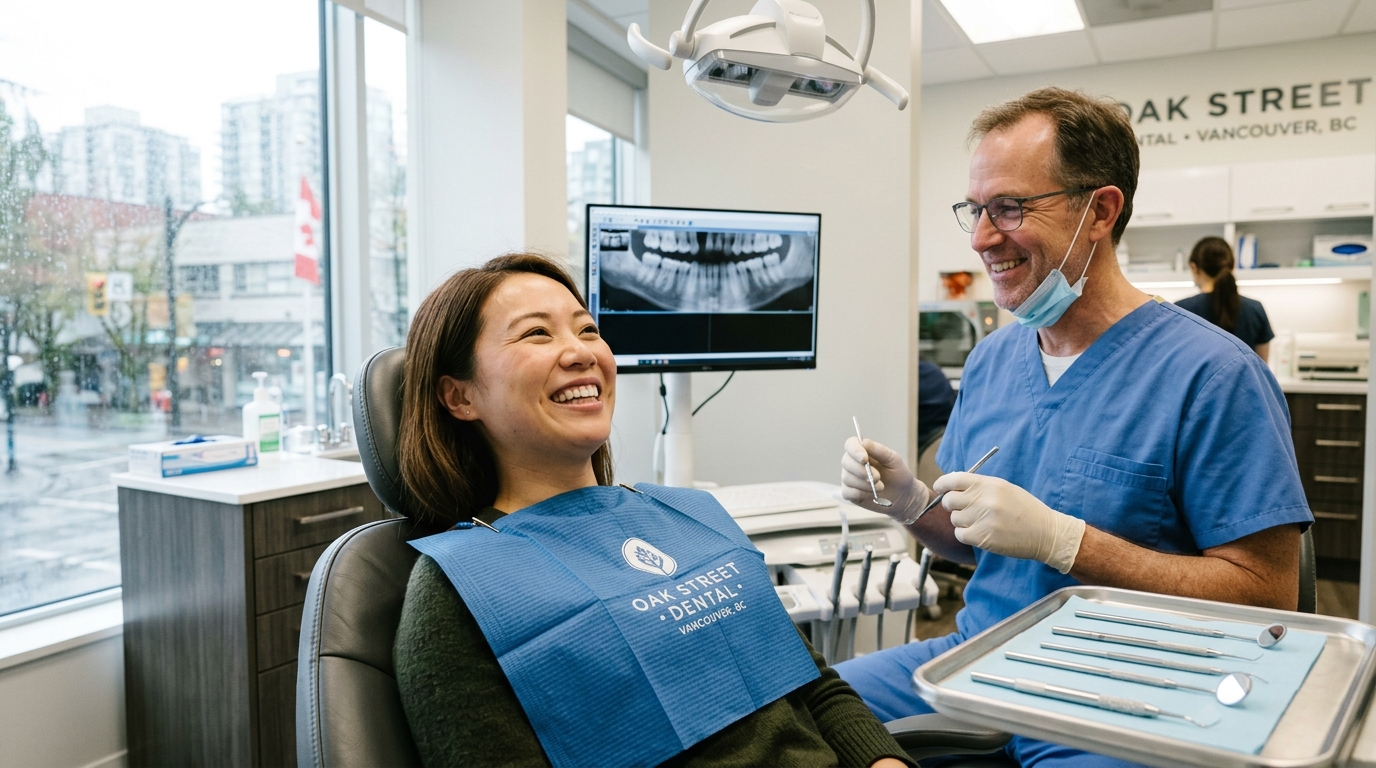
Canadians are proud of their universal healthcare system, but many are surprised to learn what it doesn't cover. Routine dental work, prescription medications, vision care, and paramedical services like physiotherapy are typically out-of-pocket expenses. This is where private health and dental insurance becomes essential.
Filling the Gaps in Provincial Coverage
A sudden toothache requiring a root canal can cost over a thousand dollars. Ongoing prescription medications for chronic conditions can drain your savings. Private health and dental plans bridge the gap between what your provincial plan covers and what you actually need to maintain your health.
Who Should Consider Private Coverage?
- Self-Employed Individuals: Without an employer-sponsored benefits plan, you are fully responsible for your healthcare costs.
- Retirees: Many people lose their workplace benefits when they retire, right when healthcare needs tend to increase.
- Part-Time or Contract Workers: Those who do not qualify for group benefits at their workplace.
- Families: Children require regular dental checkups, braces, and sometimes glasses, making a family plan highly cost-effective.
Customizable Plans to Fit Your Needs
Modern health and dental insurance isn't one-size-fits-all. You can tailor your coverage to prioritize what matters most to you, whether that's maximizing dental coverage for your kids or focusing on prescription drug coverage for yourself.
Secure your health today with our comprehensive Health and Dental Insurance plans. Reach out to Insure4Me to compare the best options across Canada.
The Limits of Provincial Healthcare
Dental care is a massive blind spot in the Canadian healthcare system. For most adults, provincial health plans provide absolutely zero coverage for routine dental checkups, cleanings, fillings, or major restorative work like crowns and bridges. Neglecting dental health can lead to severe systemic health issues, including heart disease. A private health and dental plan makes preventative care affordable.
This is a critical consideration for your overall strategy and long-term financial health. Planning ahead is the key to true peace of mind.
Managing Prescription Drug Costs
Prescription drug coverage is another critical component. While some provinces offer pharmacare programs for seniors or low-income individuals, the average working-age Canadian is left paying out of pocket for expensive medications. Whether it's antibiotics for a sudden infection or ongoing maintenance medication for asthma or cholesterol, the costs add up quickly. Private insurance mitigates this continuous financial drain.
This is a critical consideration for your overall strategy and long-term financial health. Planning ahead is the key to true peace of mind.
Why Dental Coverage Matters
Vision care is also frequently excluded from public health plans. An eye exam can cost $100 or more, and a quality pair of prescription glasses or contact lenses can easily run from $300 to $600. Families with children will find vision care coverage particularly valuable, as children's vision needs change frequently and require regular updates to their eyewear.
This is a critical consideration for your overall strategy and long-term financial health. Planning ahead is the key to true peace of mind.
Vision Care and Specialist Services
Beyond the basics, private health plans offer coverage for paramedical services that are essential for physical well-being and recovery. This includes registered massage therapy, physiotherapy, chiropractic care, acupuncture, and psychological counseling. These services are vital for recovering from injuries or managing chronic pain and mental health, yet they are entirely out-of-pocket without private insurance.
This is a critical consideration for your overall strategy and long-term financial health. Planning ahead is the key to true peace of mind.
Customizing Your Family's Plan
When comparing health and dental plans, it's crucial to look beyond the monthly premium. Pay close attention to the annual maximums, co-insurance percentages (the portion the insurer pays versus what you pay), and waiting periods. For example, some plans cover 80% of basic dental up to $1,000 per year, but impose a 12-month waiting period before they will cover major restorative work like braces or dentures.
This is a critical consideration for your overall strategy and long-term financial health. Planning ahead is the key to true peace of mind.